The Best Fluffy Pancakes recipe you will fall in love with. Full of tips and tricks to help you make the best pancakes.
Pan African State Accountability Project (PASAP)
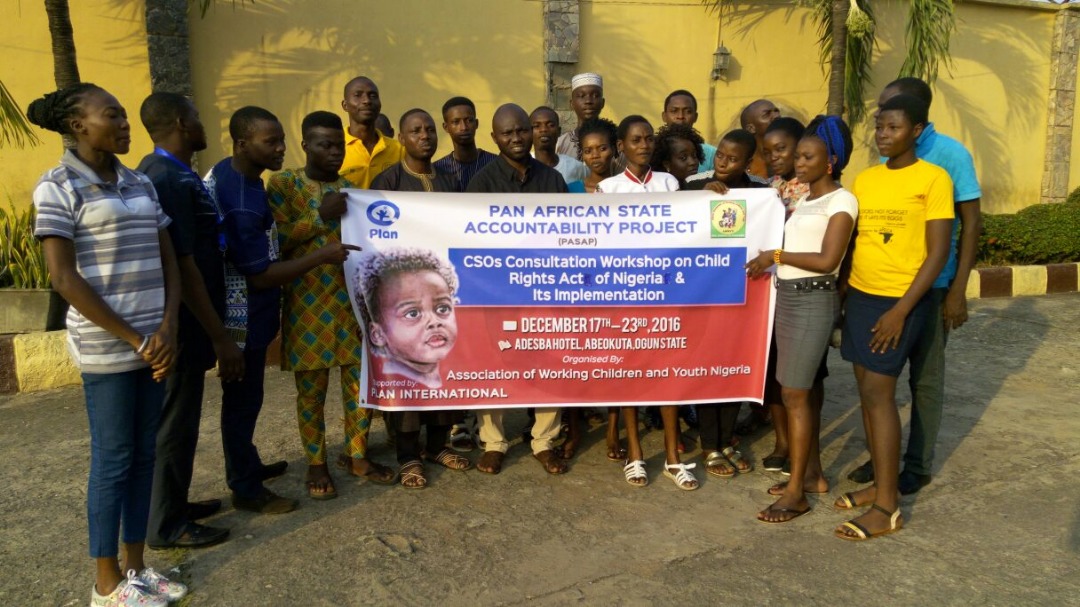
The Pan African State Accountability Project (PASAP), implemented by Plan International together with partner child-rights organizations across Africa, was designed to strengthen the capacity of Civil Society Organizations (CSOs) to hold African governments accountable for fulfilling children’s rights. MAEJT participated in and executed activities under Phase I of the project (2015–2018), focusing on improving monitoring mechanisms, enhancing child participation, and supporting evidence-based advocacy at national, regional, and continental levels. As part of its role, MAEJT Nigeria hosted a major regional engagement, which brought together participants from Niger, Cameroon, Tchad, Central African Republic, Ghana, Togo, Benin, and Nigeria. The gathering strengthened collaboration, built CSO capacity, and promoted shared strategies for advancing child rights across West and Central Africa. Through its involvement in PASAP Phase I, MAEJT Nigeria contributed to building stronger accountability systems and amplifying the voices of children and youth in governance and protection processes.
Youth Regional Consultation Forum Project – Completed Initiative
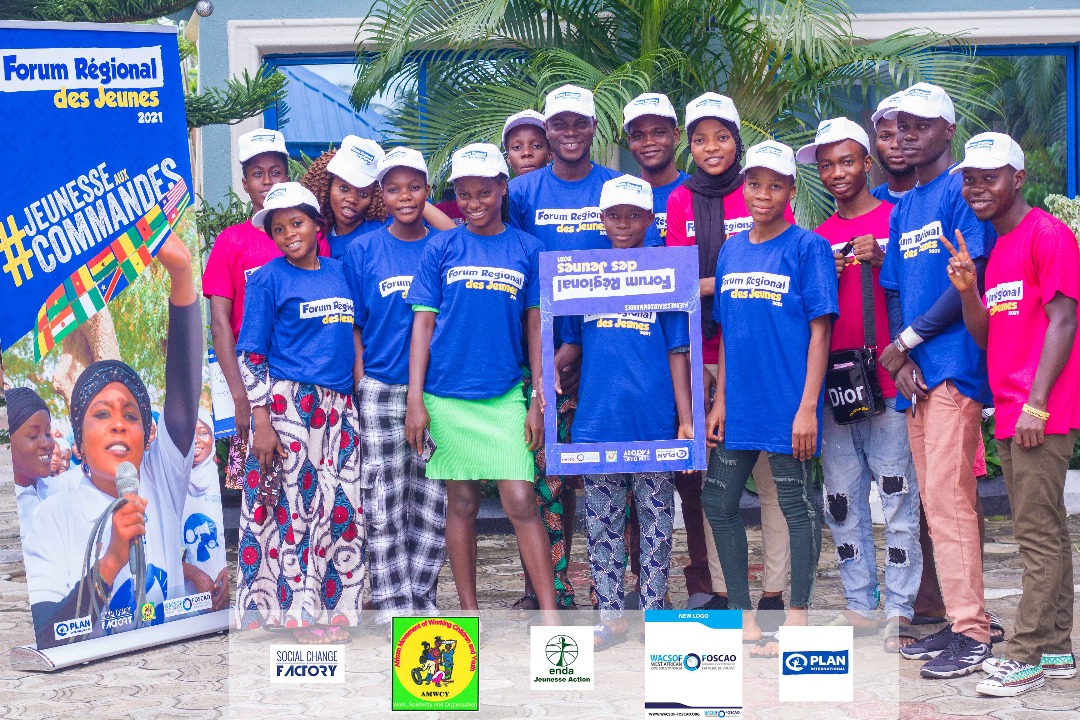
MAEJT Nigeria successfully implemented the Youth Regional Consultation Forum Project, coordinated across four MAEJT Associations,Mawuko (Abeokuta), Numa (Adamawa), Makoko, and Owode covering three states in Nigeria. The project aimed to identify and harmonize key challenges faced by African children and youth, especially the girl child, and develop practical solutions to be presented at a regional forum. Supported by Social Change Factory, Plan International, and Enda Jeunesse Action, the initiative was carried out simultaneously in 14 West African countries. Activities in Nigeria, included a step-down training for facilitators and CSOs, focused group discussions with children and youth, and a final side event where findings were consolidated. More than 80 children, youth, and CSO representatives participated with girls representing 90% of the attendees. The project strengthened youth voices, enhanced gender-focused advocacy, and contributed to regional dialogue on child and youth rights.